For a long time, I honestly thought stress was just a normal part of adult life. Something you’re supposed to push through while still trying to keep everything else perfectly together.
At the same time, I also believed that staying fit meant being very disciplined. I thought the more structured and intense my routine was, the better the results would be.
So I did what a lot of us do. I tried to be that girl.
I went hard in the gym, tracked my food, tried to hit protein targets, optimized my workouts and basically treated my whole routine like a project I had to manage perfectly.
And weirdly enough, the more I tried to control everything, the more stressed I became.
My workouts started to feel like another task on an already long to-do list, my food choices felt like decisions I had to constantly manage, and instead of feeling healthier, I mostly felt mentally exhausted.
At some point, I slowly started to realize what I really wish someone had told me earlier:
For me, stress wasn’t just some background feeling. It was quietly influencing my energy, my motivation, my cravings, and how easy or hard my routine felt to stick to.
I’m not a medical professional, so this isn’t medical advice. It’s just my personal experience and what I’ve learned throughout the years of my fitness journey.
The moment I realized stress was affecting my routine
There wasn’t one dramatic moment where everything suddenly clicked – it was much more like a pattern I slowly started noticing.
Whenever work got intense or my schedule was packed, one of two things would happen:
Either I would lose motivation completely, skip workouts, snack more than usual and tell myself I’d “reset next week.”
Or I would go into the opposite mode and try to compensate by being extra strict.
Tracking more closely, training harder, cutting back on food, trying to get back “on track.”
And every single time it backfired.
Because when I was already stressed, my brain didn’t want another difficult task. It wanted something that felt easy or comforting.
And that’s usually when the late-night snacking, random cravings or the classic “I’ll start fresh tomorrow” cycle would happen.
Once I noticed that pattern, I started asking myself a different question:
What if the goal shouldn’t be more discipline, but a routine that actually works with my energy instead of against it?
What I realized was making everything harder
Looking back, there were a few things I was doing that made my routine feel way more stressful than it needed to be.
Treating fitness like a reward and punishment system
For a long time I had this mindset that food had to be “earned” and that if I ate more than planned, I needed to compensate with extra workouts.
That kind of thinking sounds productive on the surface, but mentally it creates a lot of pressure.
Instead of building a calm routine, I was constantly negotiating with myself about what I “deserved” to eat or how much I needed to move.
And that mental noise alone made everything harder.
Assuming tiredness meant I needed more discipline
Whenever I felt unmotivated or low on energy, my first instinct was always to push harder.
I thought the solution was more intensity, another tough workout, or stricter rules.
But most of the time, that tiredness wasn’t laziness.
It was simply my body asking for a lower-stress approach, not another challenge.
Trying to do the “most optimal” thing every day
This was probably the biggest mental trap.
I was constantly thinking about what the best possible choice would be.
The best workout.
The best macro split.
The most efficient routine.
And while that sounds productive, it also means you’re never just living your life. You’re constantly managing yourself.
At some point I realized that chasing optimal was actually what made everything feel unsustainable.
What actually helped me change my routine
Once I stopped trying to run my life like a fitness experiment, a few things started working much better for me.
1. I switched from “maximum intensity” to “minimum consistent effort”
Instead of asking myself what the hardest or most effective workout would be, I started asking a much simpler question:
What kind of movement can I repeat easily, even on a busy week?
That alone honestly changed a LOT for me.
Because the moment I stopped chasing the hardest or most “optimal” workouts and started focusing on consistency instead, my fitness routine stopped feeling like this constant battle I had to win every day. It started feeling more like something that actually supports my day and helps me reset, instead of another thing that drains my energy.
2. Walking became my default movement
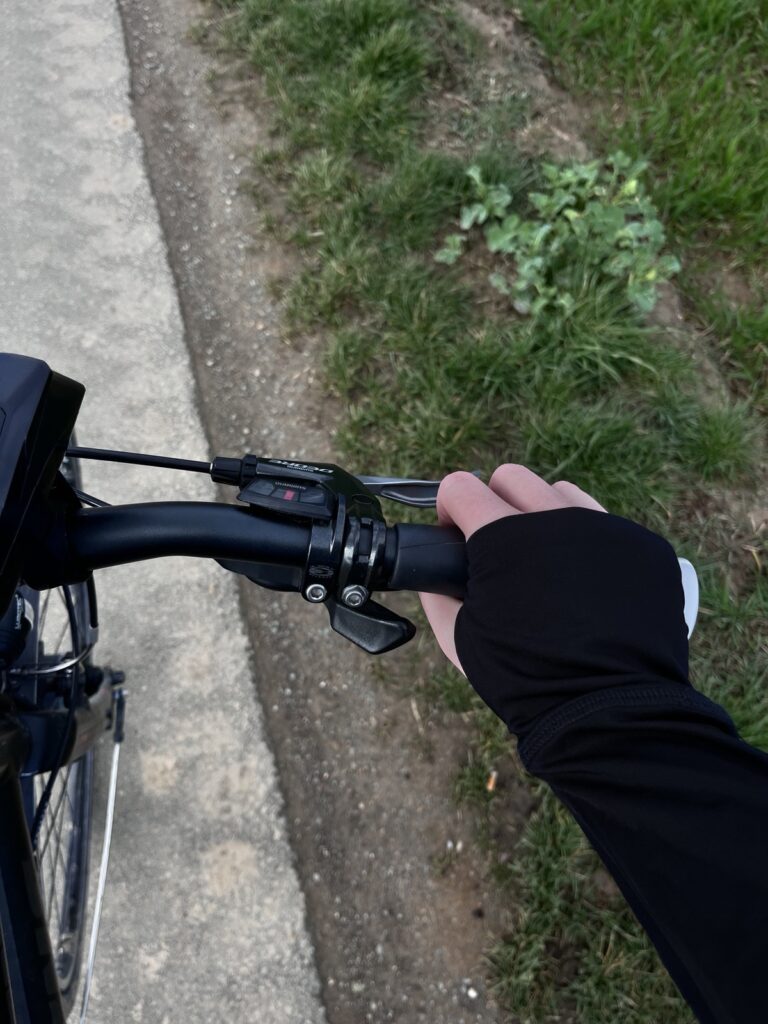
If there’s one habit that helped me the most, it’s simply walking more. Not as a strict workout, but as something that naturally fits into my life.
For example:
- walking to the grocery store instead of driving
- going for a short walk after dinner
- taking a walk when I feel mentally overwhelmed
The reason this works so well is because it’s easy to repeat. Even on stressful days, I can still go for a short walk, and that alone keeps me from falling into an all-or-nothing mindset.
3. I stopped making food a constant mental calculation
Another big change for me was letting go of the idea that every meal had to be perfectly planned or optimized.
Instead, I started focusing on very simple principles that make everyday eating easier:
- eating meals that actually keep me full
- including protein and fiber most of the time
- avoiding the habit of constantly snacking while distracted
Nothing extreme – just a few simple patterns that make everyday decisions around food a lot easier.
And once food stopped feeling like this constant math test in my head, my whole routine started to feel so much calmer mentally.
4. I started protecting my sleep
I know sleep advice is probably the least exciting thing to hear but I noticed a very clear pattern here.
Whenever I slept poorly for a few days, everything felt even harder.
My motivation dropped, my cravings were stronger, and even simple habits felt more difficult to maintain.
Now I treat sleep like part of my routine, not like something optional.
Simple things that helped me:
- going to bed around the same time most nights
- limiting late-night screen time when possible
- making sure I actually wind down before sleeping
These small habits made a noticeable difference in how easy it felt to stick to everything else.
What my routine looks like now on busy weeks
One thing that helped me a lot was creating a very simple baseline routine for stressful weeks.
Instead of expecting perfect workouts, I focus on a few reliable habits:
- daily walking
- one or two short workouts during the week
- simple meals that keep me full
- prioritizing sleep when possible
That’s it.
If I have more energy or a bit more time during the week, I might add a longer workout or try something a little more challenging.
But on days where that just isn’t realistic, I simply stick to the basics and move on with my day.
And honestly, that one mindset shift alone has helped me avoid the all-or-nothing cycle that used to completely derail my routine all the time.
Signs stress might be affecting your routine
One thing I’ve learned is that stress often shows up indirectly.
Some signs I personally notice are:
- feeling constantly tired even when trying to stay disciplined
- stronger cravings for comfort foods
- losing motivation for workouts that used to feel manageable
- pushing through intense workouts even when feeling run down
If any of that sounds familiar, it doesn’t necessarily mean you’re lacking discipline.
Sometimes it just means your routine might need to be a bit more flexible and supportive of the life you’re actually living, instead of forcing yourself to stick to something that only works under perfect conditions.
The biggest lesson I wish I had learned earlier
If I could go back and tell my past self one thing, it would honestly be:
Fitness shouldn’t feel like another source of pressure in your life.
The routines that actually last usually aren’t the ones that look the most impressive online. They’re the ones that fit naturally into your real week, even when things get busy or messy.
For me, the times when I’ve felt my best were never the weeks where I trained the hardest or followed everything perfectly.
They were the weeks where my stress levels were lower, I moved my body consistently in simple ways, my meals felt easy instead of complicated, and my brain wasn’t constantly negotiating with itself about what I “should” be doing.
So if you take one thing away from this, let it be that you don’t need a perfect routine.
You just need one that feels realistic for your life and gentle enough that you can actually stick with it long term.
Just a little note - some of the links on here may be affiliate links, which means I might earn a small commission if you decide to shop through them (at no extra cost to you!). I only recommend and mention products I truly stand behind and that I've tested myself.
And as you know, I seriously love hearing from you - that means the world to me! If you recreate something, feel free to share it here in the comments or send me a message. I'm always excited to connect with y'all! ✨🤍
Xoxo Luna