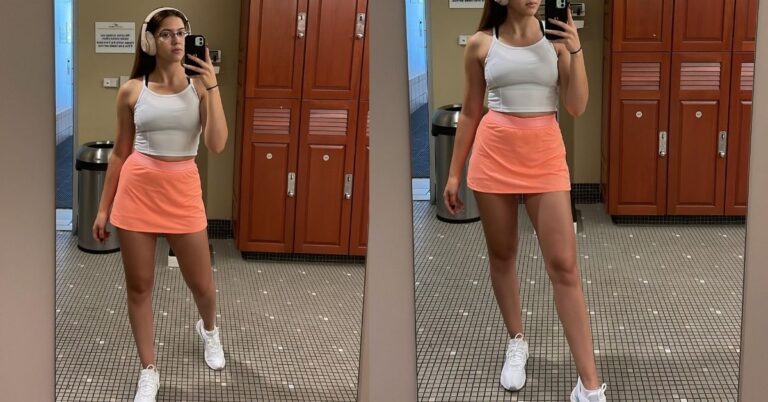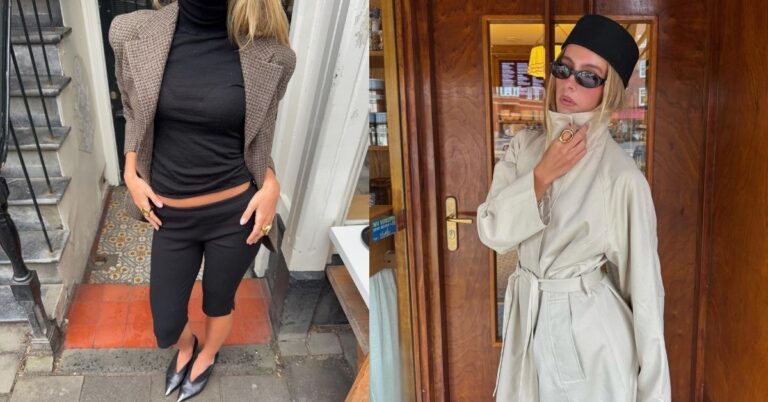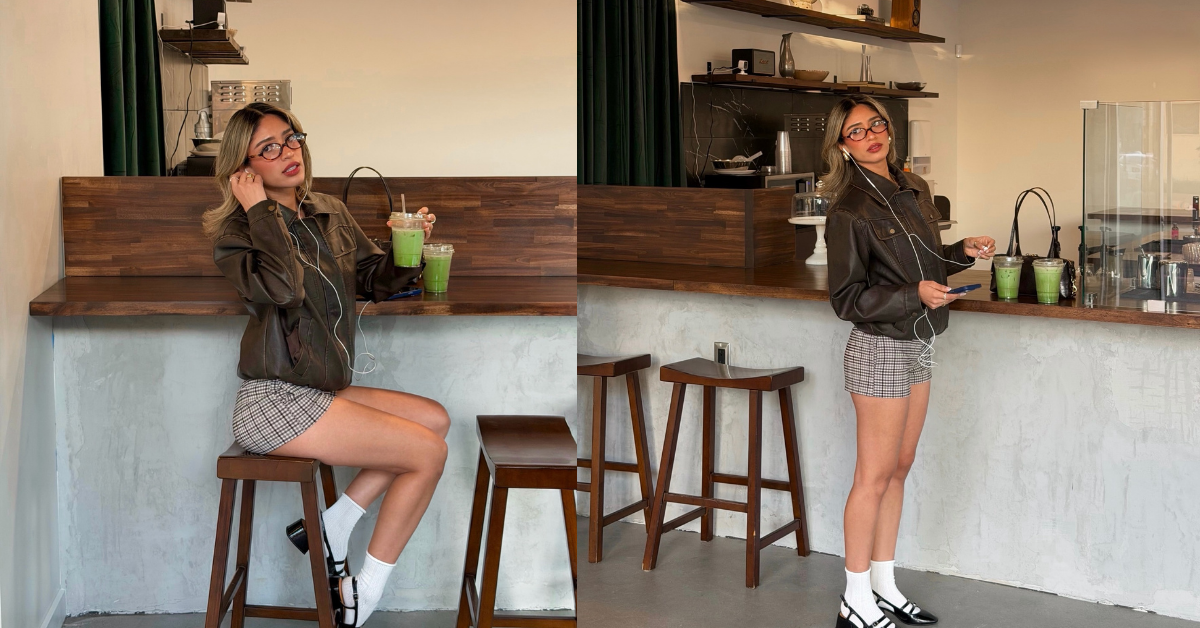
I honestly don’t think most of us run out of clothes – I’d say most of us simply run out of decisions.
Because usually the problem isn’t that your closet is empty. It’s that on a normal morning, you stand there looking at pieces you do like and still think, why does none of this feel right together? And honestly, that’s not really a style problem. Most of the time it’s a system problem.
You’re trying to come up with a fresh outfit every single day while your brain is also thinking about meetings, errands, the weather, what time you need to leave, and probably where your keys are. So of course getting dressed starts to feel way harder than it needs to.
That’s exactly why repeatable outfit formulas help so much. They give you a few reliable outfit recipes you can always fall back on, so you don’t have to reinvent the wheel every morning. And the part that keeps it from getting boring is not constantly creating a brand new outfit. It’s just switching out the inputs in a smart way.
One thing I do wanna say though:
This works best when you have at least a few simple, easy basics in your closet. If most of what you own is more of a statement piece, you can still put outfits together this way, but they might end up feeling a little loud. Having a few neutral go-to pieces just makes everything so much easier.
The quick version:
If you want the easiest possible explanation, this is really it:
A repeatable outfit formula is just a 3-to-5-piece outfit structure that you can wear again and again with different versions of the same pieces.
The three formulas I think make the biggest difference are:
- an everyday formula
- a nicer casual formula
- a weather or walking formula
What makes outfit formulas actually work is keeping the overall structure the same and only switching out one thing at a time. Maybe you swap the shoes, or the jacket, or the top. That way, your outfit still feels different, but you’re not making it chaotic.
And tbh, if you do one thing after reading this, do this:
Write down three outfits you already wear all the time and give them names.
Call them something like your Errands Uniform, your Lunch Outfit, or your Easy Dinner Look. Once you name them, you can easily start making them your go-to outfits you can easily repeat.
The mindset shift: formulas aren’t uniforms
A uniform is one outfit repeated – a formula tho is a structure.
- Uniform: “Black jeans + black tee + leather jacket every day.”
- Formula: “Straight pant + simple top + structured layer + practical shoe.”
I think this is where a lot of people get stuck. They hear “repeatable” and immediately think it means bland or repetitive, so they keep chasing novelty instead. But honestly, that usually just makes getting dressed more expensive and more mentally exhausting.
A much better goal is controlled variety. Enough change to keep things interesting, but not so much that every outfit feels like a whole new project.
The easiest way I build outfit formulas
What has helped me the most is thinking about my wardrobe in three life categories.
Step 1: Pick your three “life buckets”
Most wardrobes need three buckets:
- Everyday casual (the thing you wear most)
- Nicer casual (meetings, dinner, date, social)
- Weather or movement (cold, rain, lots of walking, unpredictable days)
Once you build formulas for those three categories, you stop buying random pieces for some imaginary version of your life and start building around what you actually wear.
Step 2: Build each formula with 4 slots
Use these slots:
- Base top (tee, knit, button-up, tank)
- Bottom (jeans, trouser, skirt, dress)
- Third piece (jacket, blazer, cardigan, overshirt)
- Shoe (sneaker, boot, loafer, sandal)
Optional 5th slot:
5) Finisher (bag, belt, hat, jewelry)
That’s it.
And the reason this works so well is because if you change just one of those parts, the whole outfit already feels a bit different without falling apart.
Step 3: Decide where your variety lives
This is probably the most important part: don’t try to create variety in every single part of the outfit at once.
Pick one primary variety slot per formula:
- If you love tops, keep bottoms consistent and rotate tops.
- If you love shoes, keep the outfit simple and rotate shoes.
- If you love jackets, make the third piece your playground.
Step 4: Lock one non-negotiable style signal
Something else that helps a lot is choosing one little style signal that stays consistent across most of your outfits.
- Always a clean sneaker
- Always a structured jacket
- Always a tucked or cropped silhouette
- Always a minimal color palette
- Always one bold accessory
This gives your outfits identity even when you repeat them.
The “Structure + Ease” rule (why some formulas look better)
One thing I’ve noticed is that the best outfits usually have a little bit of structure and ease at the same time.
- One structured item + one relaxed item.
Examples:
- Relaxed jeans + fitted top + blazer
- Straight trouser + tee + denim jacket
- Midi skirt + sweatshirt + sleek sneaker
So for example, relaxed jeans with a fitted top and blazer work really well. Or straight trousers with a tee and denim jacket. Or a midi skirt with a sweatshirt and sleek sneakers.
That balance is honestly one of the easiest ways to make outfits feel polished without trying too hard.
Three core formulas you can build today
Formula 1: The Everyday Formula
Straight jeans or relaxed trouser + simple top + casual layer + sneaker
- Bottom: straight jeans, wide-leg jeans, or relaxed trouser
- Top: tee, ribbed long sleeve, knit tank
- Layer: denim jacket, bomber, cardigan-jacket, overshirt
- Shoe: clean sneaker or flat
How it doesn’t get boring: rotate the third piece and shoe first.
Example rotations
- Same jeans + tee, swap:
- denim jacket + sneaker
- trench + loafer
- cardigan + retro sneaker
- leather jacket + boot
Formula 2: The Nicer Casual Formula
Elevated bottom + simple top + structured layer + sharper shoe
- Bottom: tailored trouser, dark denim, midi skirt
- Top: knit top, tee with clean neckline, button-up
- Layer: blazer, trench, cropped jacket
- Shoe: loafer, ankle boot, sleek sneaker
How it doesn’t get boring: swap the bottom silhouette (trouser vs skirt) while keeping the top simple.
Formula 3: The Weather and Walking Formula
Comfortable bottom + warm layer + weather layer + grip shoe
- Bottom: straight jeans, warm trouser, leggings with long layer
- Mid layer: fleece, sweater, hoodie (clean and fitted enough to layer)
- Outer: parka, trench, shell, quilted jacket
- Shoe: boot or sneaker with traction
How it doesn’t get boring: let color or texture do the work (quilted, wool, suede, denim).
Clear trade-off (no solution): if you want truly weatherproof shoes and outerwear, you sometimes give up the sleekest look. You can still look good, but “perfectly polished” and “fully rain-ready” do not always coexist.
How I make formulas actually usable in daily life
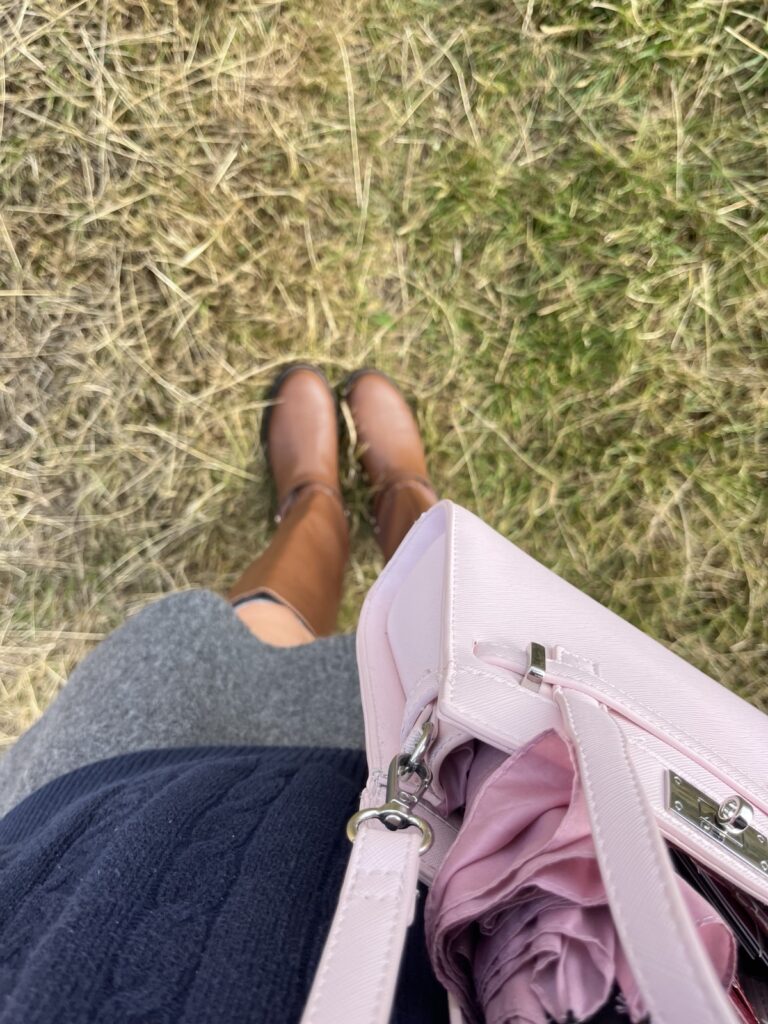
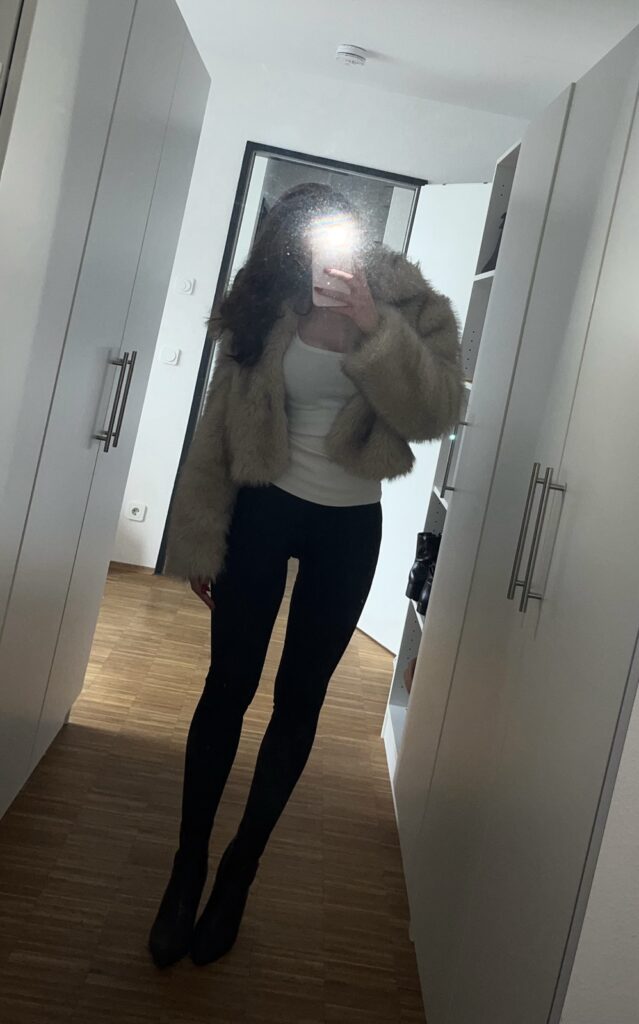
One of the easiest things you can do is create a tiny wardrobe setup with pieces that already work together.
The 10-minute closet setup that changes everything
Pick:
- 2 bottoms you wear weekly
- 3 tops that match both bottoms
- 2 third pieces
- 2 shoes
That already gives you so many outfit combinations without needing anything new.
Now you have 24 outfits (2 x 3 x 2 x 2) without buying anything.
The “Sunday snapshot” habit
Once a week:
- Take photos of 3 outfits you wore and liked.
- Write the formula underneath (example: “wide-leg jeans + tank + overshirt + sneaker”).
- That becomes your personal lookbook.
This isn’t about documenting your life. It’s about saving decisions.
The one-minute morning rule
On rushed mornings, only change one slot:
- Same base outfit, change shoe.
- Same outfit, change third piece.
- Same outfit, change bag.
That’s it. You still look intentional.
How to keep formulas from getting boring
1) Swap texture, not just color
Texture reads as “new” even in neutrals:
- denim vs twill vs wool
- ribbed knit vs smooth knit
- leather jacket vs quilted jacket
- matte trouser vs satin midi skirt
2) Use silhouette as your “fun”
If you don’t want loud colors, silhouette becomes your interest:
- cropped jacket with wide-leg pants
- oversized shirt over leggings
- fitted top with relaxed trouser
- longline coat over slim base
3) Have one controlled accent color
Pick one accent that plays well with your neutrals. Then repeat it.
This makes your closet look cohesive and still not boring.
4) Make shoes do the talking
Shoes change the message fast:
- sneaker = casual, energetic
- loafer = polished, classic
- boot = grounded, edgy
- sandal = relaxed, warm-weather
5) “Hero piece” rotation
A hero piece is one item that carries the look:
- jacket
- bag
- statement knit
- special jeans
- bold earrings
Keep the rest simple. Let the hero take turns.
Options: formulas by lifestyle and vibe
If you want minimal and polished
- Formula: straight trouser + knit top + blazer + clean sneaker/loafer
- Keep the palette tight: 2 neutrals + one accent.
If you want sporty but not sloppy
- Formula: structured jogger or straight jean + fitted tee + bomber/overshirt + sleek trainer
- Finish with one clean detail: cap, belt bag, or simple jewelry.
If you want creative and expressive
- Formula: interesting bottom (pattern, color, shape) + plain top + simple layer + simple shoe
- The bottom is your variety slot.
If you are always cold
- Formula: base layer + warm knit + long coat + boot
- Keep your base consistent, rotate outerwear and scarf.
If your mornings are unpredictable
Some of this planning won’t stick, and that’s fine. The goal isn’t perfection, it’s fewer bad mornings.
Use a “default outfit”:
- one bottom that always works
- one top that always fits right
- one third piece that fixes it
- one shoe you can walk in
A few mistakes that make formulas harder than they need to be
One of the biggest mistakes you can make is trying to make every single outfit feel super unique. It sounds so fun in theory, but in real life it usually just makes getting dressed feel so exhausting.
Another really common mistake is buying “interesting” pieces when you don’t actually have anything simple to wear with them. For every standout piece, you honestly need a couple of more low-key basics to balance it out.
I also think a lot of people make things way harder than they need to by owning too many totally different kinds of bottoms. If all your pants, skirts, and shorts give off a completely different vibe, your tops just aren’t going to work with all of them as easily. It helps so much to narrow it down to maybe two main silhouettes you wear the most.
And finally, if you don’t have enough third pieces – like jackets, cardigans, overshirts, or coats – your outfits can start to feel a little flat. Those layering pieces are usually what make everything feel finished.
A simple worksheet you can do right now
If you want to make this practical, just fill in these three formulas for yourself:
My Everyday Formula:
Bottom: ______
Top: ______
Third piece: ______
Shoe: ______
My variety slot is: ______
My Nicer Casual Formula:
Bottom: ______
Top: ______
Third piece: ______
Shoe: ______
My variety slot is: ______
My Weather Formula:
Bottom: ______
Mid layer: ______
Outer layer: ______
Shoe: ______
My variety slot is: ______
When you can fill this in, your outfits stop being a daily improvisation.
FAQ
How many formulas do I actually need?
Start with 3. Add a 4th only if you truly have a different life category (like formal office or frequent events).
How do I stop feeling like I’m wearing the same thing?
Rotate one slot (shoe or third piece), and rotate texture. You’ll feel different without creating decision fatigue.
What if I love color?
Make color your variety slot, but keep silhouettes consistent. Color is easier to manage when shape stays familiar.
How do I build formulas when my body changes or I’m between sizes?
Focus formulas on comfort-first silhouettes (relaxed trouser, straight denim, midi skirt with elastic waist) and let layers add polish.
Do I need accessories for outfits to feel finished?
Not always. A strong third piece can replace accessories. Accessories are the easiest optional finishing move, not a requirement.
What’s the fastest way to upgrade a boring formula?
Swap the third piece. Jacket changes the vibe more than almost anything else.
Just a little note - some of the links on here may be affiliate links, which means I might earn a small commission if you decide to shop through them (at no extra cost to you!). I only recommend and mention products I truly stand behind and that I've tested myself.
And as you know, I seriously love hearing from you - that means the world to me! If you recreate something, feel free to share it here in the comments or send me a message. I'm always excited to connect with y'all! ✨🤍
Xoxo Luna